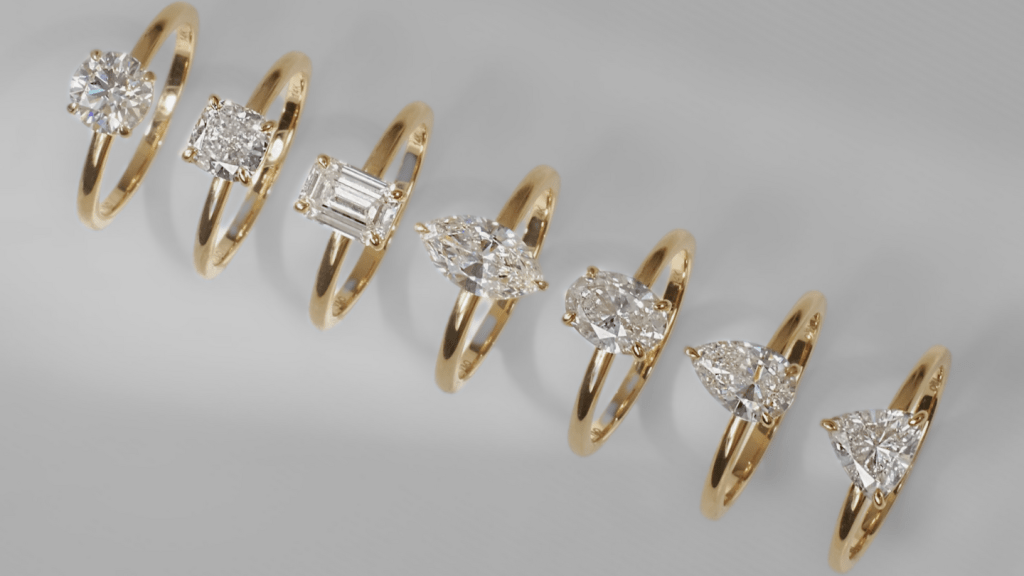
Choosing the perfect diamond can be a daunting task, especially for first-time buyers. One of the most important aspects to consider is the diamond cut. The cut not only influences the diamond’s shape but also affects its brilliance, sparkle, and overall appearance. In this guide, we’ll explore the different diamond cuts to help you make an informed decision when selecting the perfect diamond.
Round Brilliant Cut
Overview:
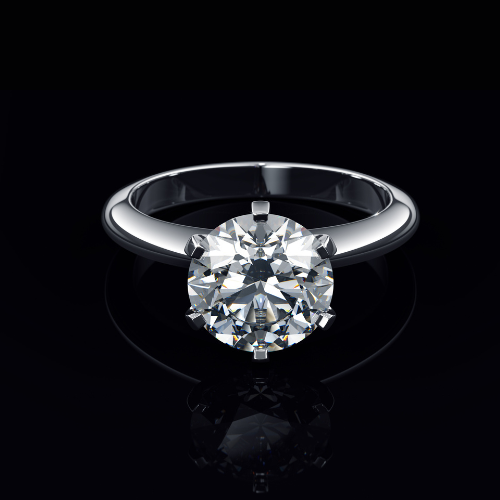
The round brilliant cut is the most popular and widely recognized diamond shape. It features 58 facets designed to maximize light reflection, resulting in exceptional brilliance and sparkle.
Pros:
- Timeless and classic.
- Offers the most brilliance and fire.
- Versatile and complements various jewelry settings.
Cons:
- Generally more expensive due to high demand and greater material loss during cutting.
Princess Cut
Overview:
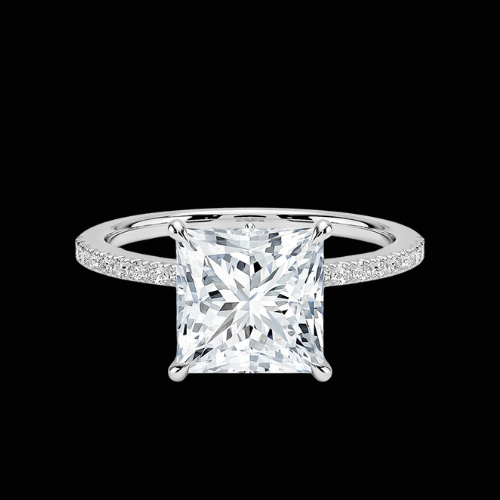
The princess cut is a squared or minimally rectangular shape with pointed corners. It is the second most popular diamond cut, known for its modern and elegant appearance.
Pros:
- Excellent brilliance and fire.
- Typically less expensive per carat than round cuts.
- Versatile and works well in various settings.
Cons:
- The pointed corners can be more susceptible to chipping.
- Requires a protective setting to prevent damage.
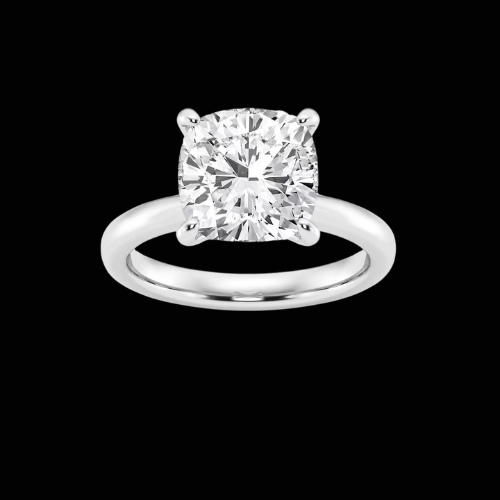
Cushion Cut
Overview:
The cushion cut, also known as the “pillow cut,” has rounded corners and larger facets.It combines a vintage feel with a modern twist, offering a romantic and sophisticated look.
Pros:
- Excellent brilliance and fire.
- Hides inclusions well due to larger facets.
- Available in a variety of shapes, from square to rectangular.
Cons:
- Less brilliant than round and princess cuts.
- May appear smaller than other shapes of the same carat weight.
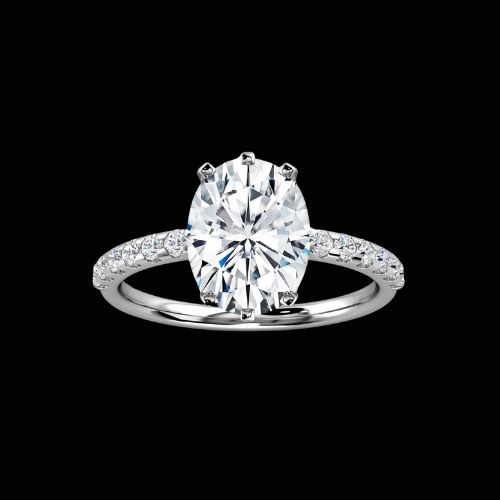
Oval Cut
Overview:
The oval cut is an elongated version of the round brilliant cut, offering similar brilliance. It creates an illusion of greater size, making it a popular choice for those seeking a larger appearance.
Pros:
- Excellent brilliance and fire.
- Elongated shape flatters the finger, making it look longer and slimmer.
- Hides inclusions well due to its faceting pattern.
Cons:
- The “bow-tie” effect, a shadow across the center, can be more pronounced in poorly cut stones.
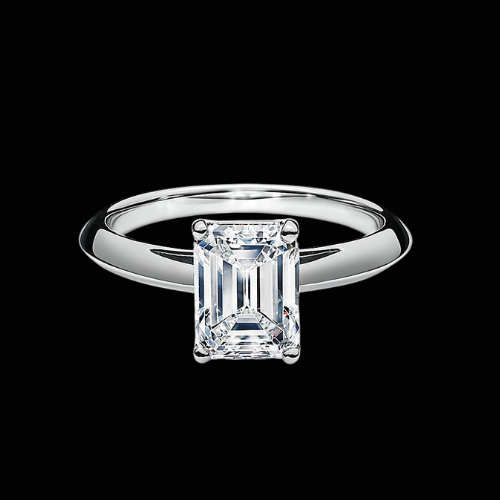
Emerald Cut
Overview:
The emerald cut features a rectangular shape with step-cut facets and beveled corners. It is known for its elegant and sophisticated appearance.
Pros:
- Emphasizes clarity and color.
- Creates a hall-of-mirrors effect with its long, linear facets.
- Elongated shape flatters the finger.
Cons:
- Less brilliance and fire compared to brilliant cuts.
- Inclusions and color imperfections are more visible due to the large, open facets.
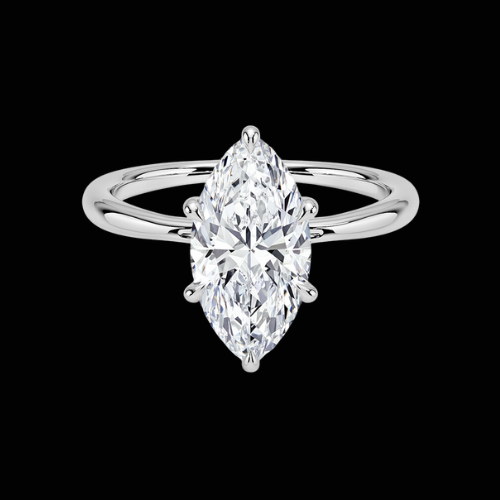
Marquise Cut
Overview:
The marquise cut has an elongated shape with pointed ends, resembling a boat. It is designed to maximize carat weight, giving the appearance of a larger diamond.
Pros:
- Excellent brilliance and fire.
- Creates an illusion of greater size.
- Elongated shape flatters the finger.
Cons:
- The pointed ends can be more susceptible to chipping.
- Requires a protective setting to prevent damage.
- The “bow-tie” effect can be more pronounced in poorly cut stones.
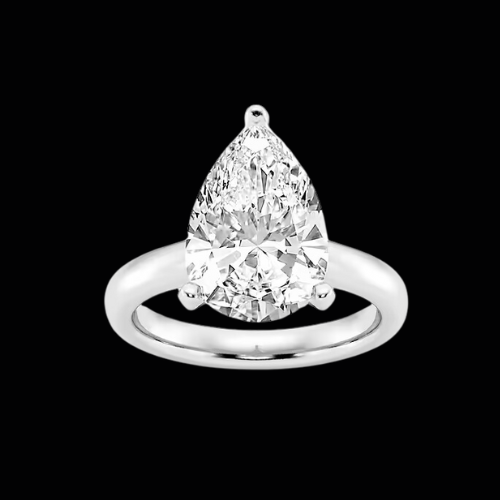
Pear Cut
Overview:
The pear cut, also known as the teardrop cut, combines the round and marquise shapes with a tapered point. It is known for its unique and elegant appearance.
Pros:
- Excellent brilliance and fire.
- Elongated shape flatters the finger.
- Hides inclusions well due to its faceting pattern.
Cons:
- The pointed tip can be more susceptible to chipping.
- Requires a protective setting to prevent damage.
- The “bow-tie” effect can be more pronounced in poorly cut stones.
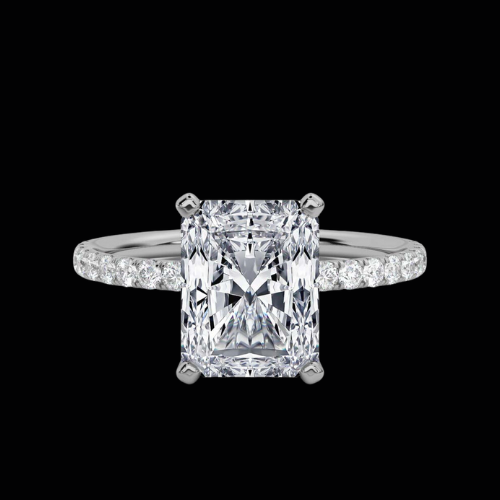
Radiant Cut
Overview:
The radiant cut features a rectangular or square shape with cropped corners and a brilliant-cut facet pattern. It combines the elegance of the emerald cut with the brilliance of the round cut.
Pros:
- Excellent brilliance and fire.
- Hides inclusions well due to its faceting pattern.
- Versatile and works well in various settings.
Cons:
- May appear smaller than other shapes of the same carat weight.
- Generally more expensive than other fancy shapes.
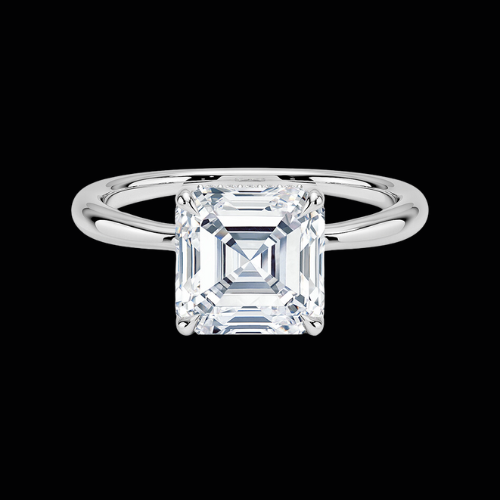
Asscher Cut
Overview:
The Asscher cut is a square shape with step-cut facets and a high crown. It is known for its vintage and art-deco appearance.
Pros:
- Emphasizes clarity and color.
- Creates a hall-of-mirrors effect with its long, linear facets.
- Unique and sophisticated appearance.
Cons:
- Less brilliance and fire compared to brilliant cuts.
- Inclusions and color imperfections are more visible due to the large, open facets.
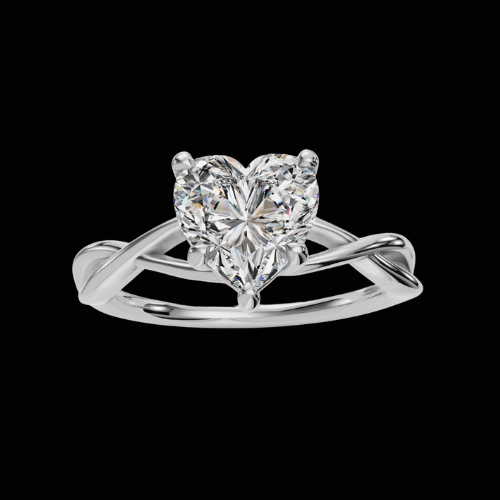
Heart Cut
Overview:
The heart cut is a romantic shape with a distinctive heart silhouette. It is known for its unique and sentimental appearance.
Pros:
- Excellent brilliance and fire.
- Symbolic and romantic shape.
- Hides inclusions well due to its faceting pattern.
Cons:
- The shape requires precision cutting, making it less common and more expensive.
- The pointed tip can be more susceptible to chipping.
- Requires a protective setting to prevent damage.
Choosing the perfect diamond cut is a personal decision that depends on your partner’s style, preferences, and lifestyle. Each diamond cut has its unique characteristics, advantages, and disadvantages. By understanding the differences between the various cuts, you can select a diamond that not only looks stunning but also holds special meaning. Whether you opt for the classic round brilliant cut or the unique heart cut, the most important thing is that the diamond you choose reflects your love and commitment.
 Adamas — Tampa Diamond District