
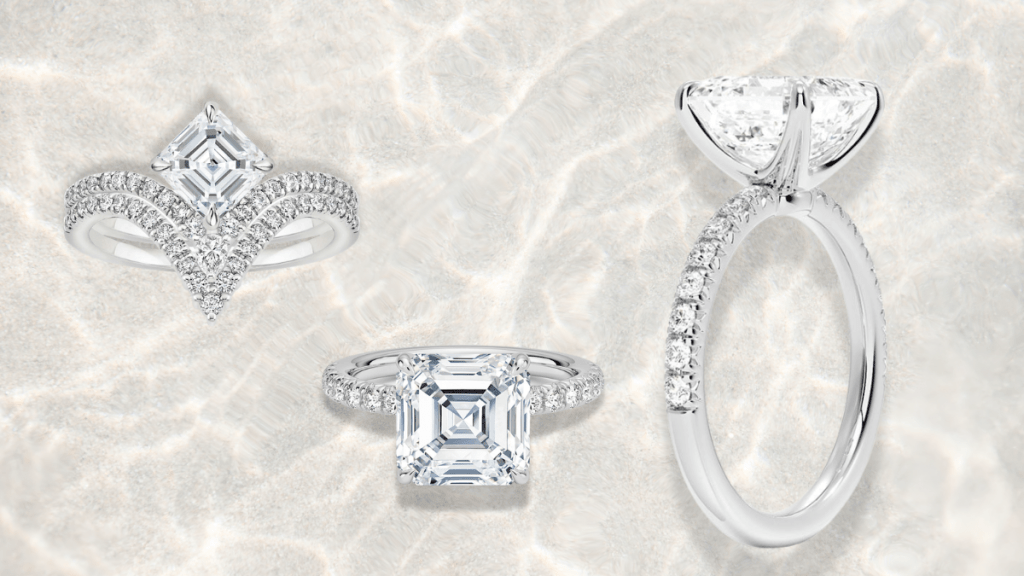
The Asscher cut diamond is a testament to the elegance and sophistication of early 20th-century jewelry design. Known for its distinctive square shape and step-cut facets, the Asscher cut exudes a vintage charm that continues to captivate diamond enthusiasts today. Let’s explore the rich history of the Asscher cut diamond and its journey to becoming a timeless classic.
Early Diamond Cutting Techniques: Setting the Stage
The art of diamond cutting has evolved significantly since the 14th century, with early techniques focusing on enhancing the natural shape of rough diamonds. The initial cuts, such as the point cut and table cut, were basic and primarily aimed at preserving carat weight. As diamond cutting methods improved, more intricate and sophisticated cuts emerged, paving the way for the development of unique shapes like the Asscher cut.
The Birth of the Asscher Cut: The Early 20th Century
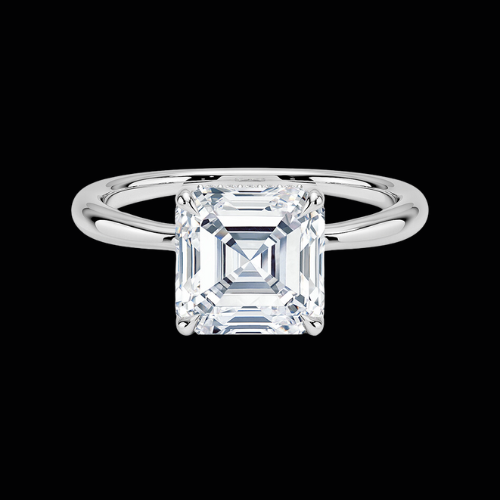
The Asscher cut was created in 1902 by Joseph Asscher, a prominent diamond cutter and founder of the Asscher Diamond Company in Amsterdam. Joseph Asscher, along with his brother Abraham, was renowned for his expertise in diamond cutting and had gained international recognition for his work. The Asscher cut was designed to combine the elegance of the emerald cut with the brilliance of the round brilliant cut, resulting in a square shape with deeply cropped corners and a unique faceting pattern.
The original Asscher cut featured 58 facets arranged in a step-cut style, with parallel facets that created a mesmerizing “hall of mirrors” effect. This innovative design enhanced the diamond’s clarity and color while providing a unique play of light that set it apart from other cuts. The Asscher cut quickly gained popularity, particularly among royalty and the elite, for its distinctive and sophisticated appearance.
The Art Deco Era: The Height of Popularity
The Asscher cut reached the height of its popularity during the Art Deco period of the 1920s and 1930s. Characterized by bold geometric designs, clean lines, and an emphasis on symmetry, Art Deco jewelry perfectly complemented the Asscher cut’s architectural and modernist aesthetic. The cut’s step-cut facets and square shape aligned with the era’s fascination with geometric patterns and luxurious, glamorous designs.

Prominent jewelers of the time, such as Cartier and Tiffany & Co., embraced the Asscher cut for their high-end creations. Engagement rings, cocktail rings, and other fine jewelry pieces featuring Asscher-cut diamonds became highly sought after, symbolizing luxury, sophistication, and the innovative spirit of the Art Deco era.
The Asscher Cut Revival: The Early 21st Century
While the Asscher cut remained relatively niche throughout the mid-20th century, it experienced a significant revival in the early 21st century. In 2001, the Asscher Diamond Company, now known as the Royal Asscher Diamond Company, introduced an updated version of the original Asscher cut called the “Royal Asscher Cut.” This new cut featured 74 facets, enhancing the diamond’s brilliance and fire while maintaining the signature step-cut faceting and square shape.
The reintroduction of the Asscher cut, combined with a renewed interest in vintage and antique jewelry styles, brought the cut back into the spotlight. Celebrities and high-profile individuals began choosing Asscher-cut diamonds for their engagement rings and red-carpet appearances, further fueling its resurgence in popularity.
Advances in Technology: Perfecting the Cut
Modern advances in diamond cutting technology, such as laser cutting and computer-aided design (CAD), have allowed for greater precision and consistency in creating Asscher-cut diamonds. These technological innovations ensure that each Asscher-cut diamond meets exacting standards for symmetry and clarity, enhancing its overall beauty and light performance.
Contemporary techniques also enable diamond cutters to optimize the proportions and angles of the Asscher cut, maximizing its brilliance and ensuring that each diamond showcases its unique “hall of mirrors” effect. This combination of precision and artistry has elevated the Asscher cut to new heights of excellence.
The Asscher Cut Today: A Timeless Classic
Today, the Asscher cut is celebrated for its vintage charm, unique faceting, and sophisticated allure. Its clean lines and geometric shape make it a favored choice for those seeking a distinctive and elegant diamond. The Asscher cut’s ability to highlight a diamond’s clarity and color, combined with its mesmerizing play of light, continues to captivate diamond lovers and connoisseurs.
The Asscher cut’s versatility allows it to complement a wide range of settings and styles, from vintage-inspired designs to contemporary creations. Whether set as a solitaire, in a halo, or surrounded by smaller diamonds, the Asscher cut diamond stands out as a unique and stunning centerpiece.
Conclusion
The history of the Asscher cut diamond is a testament to the ingenuity and artistry of early 20th-century diamond cutting. From its creation by Joseph Asscher to its resurgence in the 21st century, the Asscher cut has evolved into a symbol of timeless elegance and sophistication. Its unique faceting and architectural design continue to capture the hearts of diamond enthusiasts worldwide, making the Asscher cut a true classic in the world of fine jewelry.
 Adamas — Tampa Diamond District