
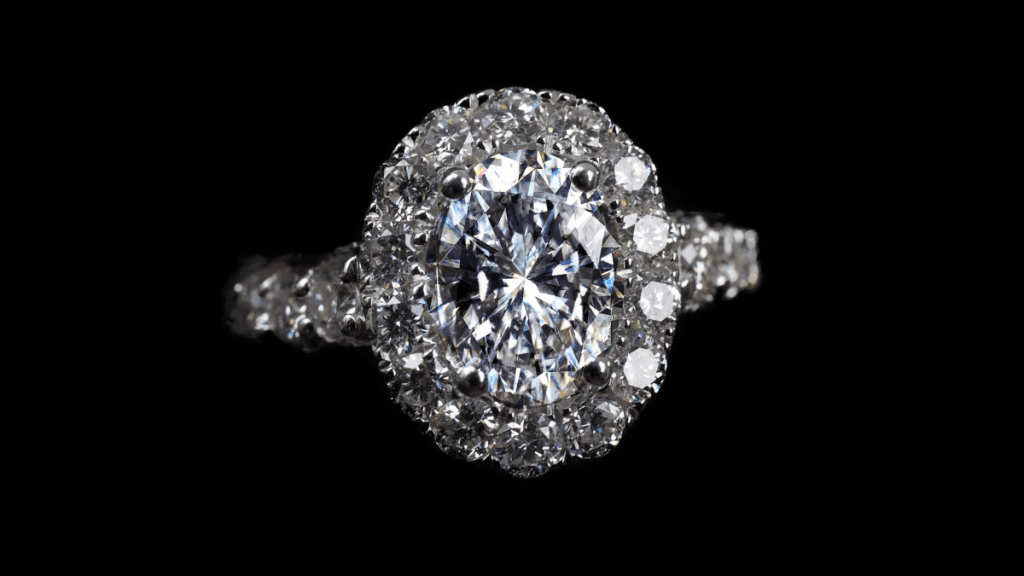
The oval cut diamond is celebrated for its elegant shape and captivating brilliance. With its elongated form, the oval cut combines the classic appeal of the round brilliant cut with a unique twist, making it a favored choice for engagement rings and fine jewelry. Let’s explore the fascinating history of the oval cut diamond and its evolution into a modern classic.
Early Diamond Cutting: Foundations of the Craft
The art of diamond cutting has its roots in the 14th century when diamonds were first discovered in India. Early cutting techniques focused primarily on enhancing the natural shapes of rough diamonds, with simple cuts such as the point cut and table cut dominating the landscape. These early methods laid the groundwork for more intricate cuts that would emerge in the following centuries.
The Evolution of Fancy Cuts: The 20th Century
As diamond cutting techniques advanced, particularly in the 19th and early 20th centuries, jewelers began experimenting with various shapes beyond the traditional round cut. Fancy cuts, which include shapes like the pear, marquise, and oval, gained popularity for their ability to offer unique aesthetics and maximize carat weight.
The oval cut specifically was developed in the late 1950s by the renowned diamond cutter Lazare Kaplan. Kaplan, who was also known for his work on the round brilliant cut, sought to create a diamond shape that combined the brilliance of a round cut with an elongated silhouette. His innovative design allowed the oval cut to retain a larger appearance, making it a striking choice for jewelry.
Characteristics of the Oval Cut
The oval cut features an elongated shape with rounded ends, resembling an ellipse. It typically consists of 58 facets, similar to the round brilliant cut, which allows for exceptional brilliance and fire. The oval cut’s unique shape creates a flattering effect on the finger, making it a popular choice for engagement rings.
One of the key advantages of the oval cut is its ability to appear larger than its carat weight. The elongated shape creates an illusion of size, making it an attractive option for those who desire a bold statement without necessarily increasing the carat weight. Additionally, the oval cut’s symmetrical design helps to hide inclusions and imperfections, enhancing the overall appearance of the diamond.
The Oval Cut in Popular Culture
The oval cut diamond gained significant popularity in the late 20th century and early 21st century, particularly as celebrities began to showcase oval cut engagement rings. Iconic examples include the engagement ring of actress and singer Ariana Grande and that of Princess Beatrice, which further solidified the oval cut’s status as a contemporary favorite.
The oval cut’s versatility allows it to complement various jewelry styles and settings, from classic solitaires to intricate halo designs. Its ability to adapt to different aesthetics makes it a timeless choice for both vintage-inspired and modern jewelry.
Advances in Technology: Precision Cutting
With advancements in diamond cutting technology, such as laser cutting and computer-aided design (CAD), the quality and precision of oval cut diamonds have improved significantly. Modern techniques enable diamond cutters to create perfectly symmetrical shapes and optimize the cut for maximum brilliance and fire.
These advancements ensure that each oval cut diamond is crafted to exacting standards, allowing it to showcase its unique beauty and sparkle. As a result, contemporary oval cut diamonds offer an enhanced level of brilliance and visual appeal.
The Oval Cut Today: A Classic Choice
Today, the oval cut diamond is a popular and cherished shape among diamond enthusiasts. Its elegant silhouette, combined with its brilliance and flattering effect, makes it an appealing option for those seeking something unique and timeless. The oval cut’s versatility allows it to be set in a variety of styles, making it suitable for any occasion.
Whether set as a stunning solitaire or surrounded by a halo of smaller diamonds, the oval cut continues to shine as a symbol of love and commitment. Its enduring charm and modern appeal ensure that it remains a beloved choice in the world of fine jewelry.
Conclusion
The history of the oval cut diamond is a testament to the artistry and innovation of diamond cutting. From its origins in the late 1950s to its rise in popularity today, the oval cut has evolved into a timeless and elegant choice for jewelry lovers. Its unique shape, exceptional brilliance, and ability to flatter the wearer make the oval cut a captivating and enduring classic in the realm of diamonds.
 Adamas — Tampa Diamond District